情報と価格についてはお問い合わせください
専門家のアドバイスと研究ニーズに合わせたソリューションを入手してください
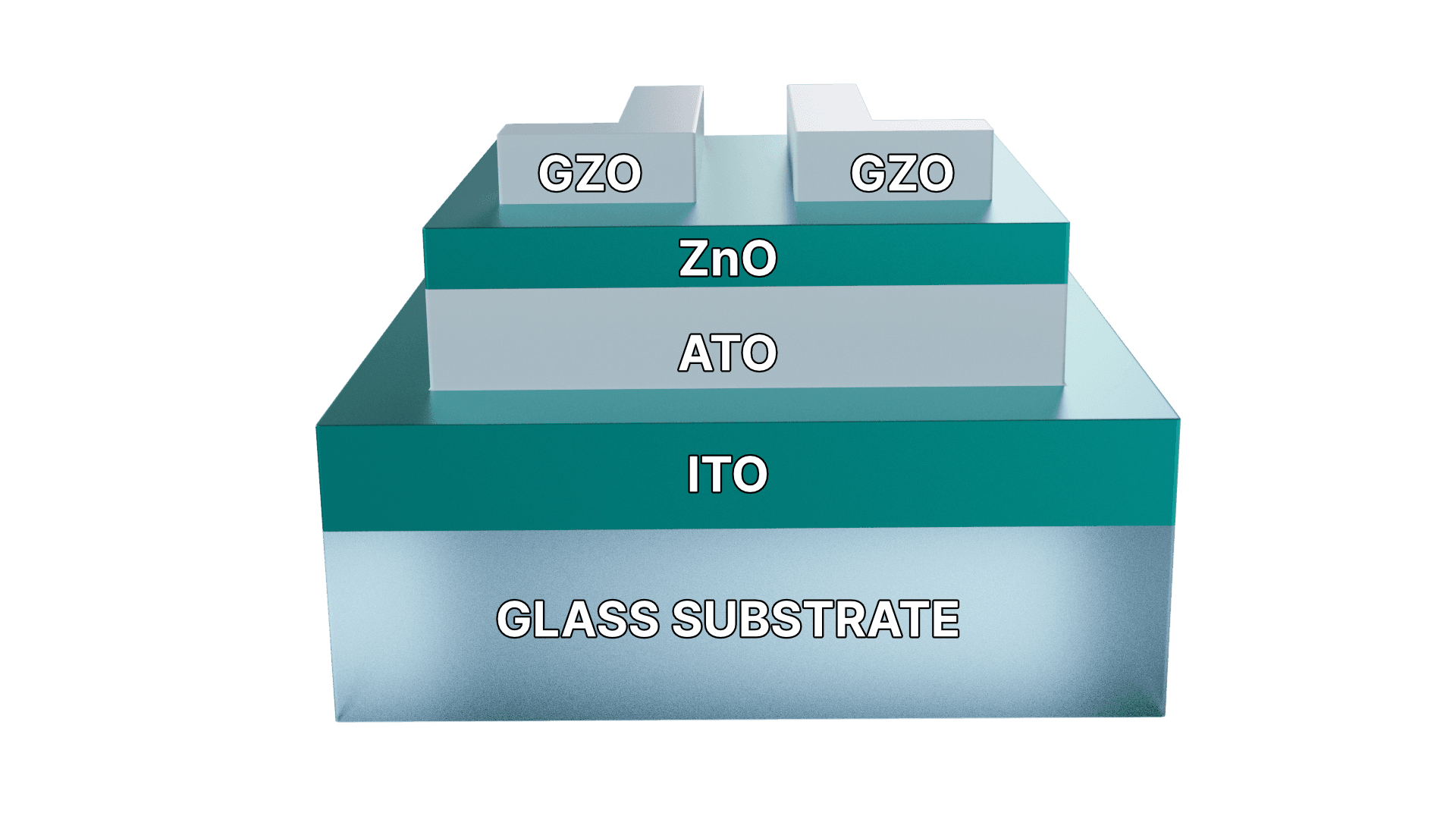
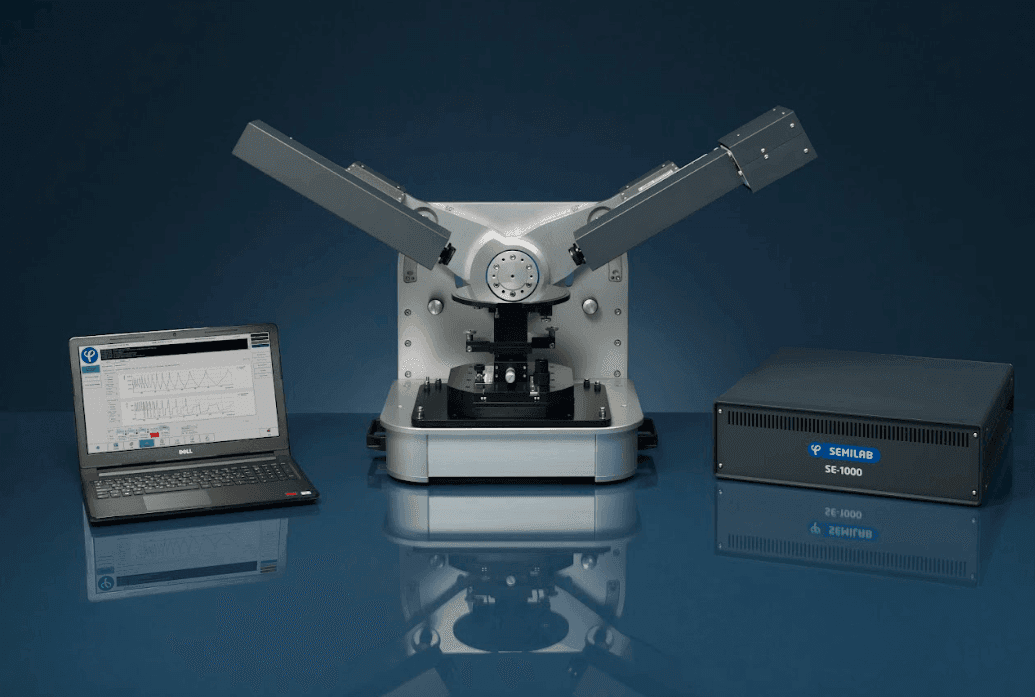
To make a TCO film work well, manufacturers need to understand more than its thickness. Its optical properties, electrical behavior and composition all matter. Semilab’s SE-2000 spectroscopic ellipsometer uses reflected light to characterize thin films without touching or damaging the sample.
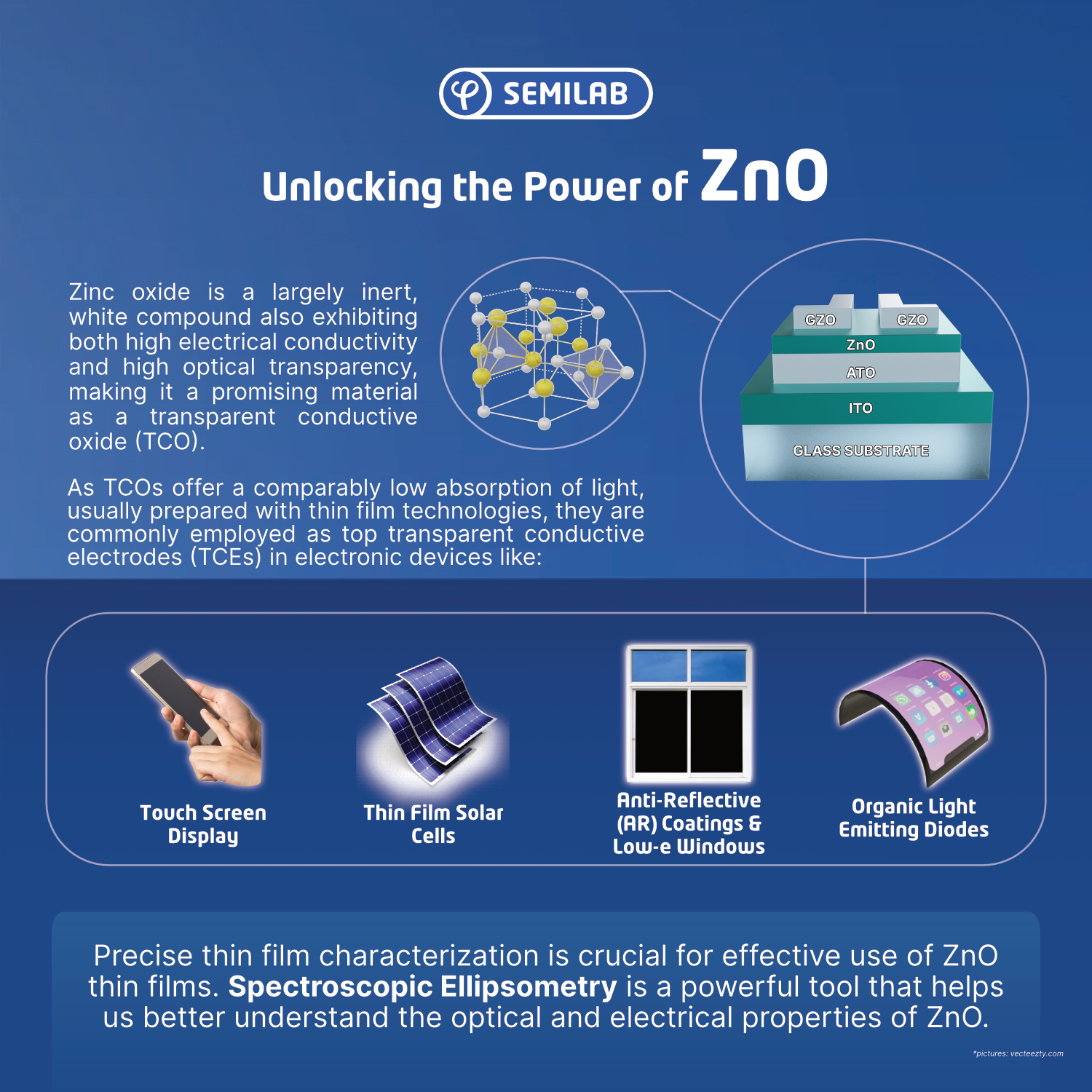
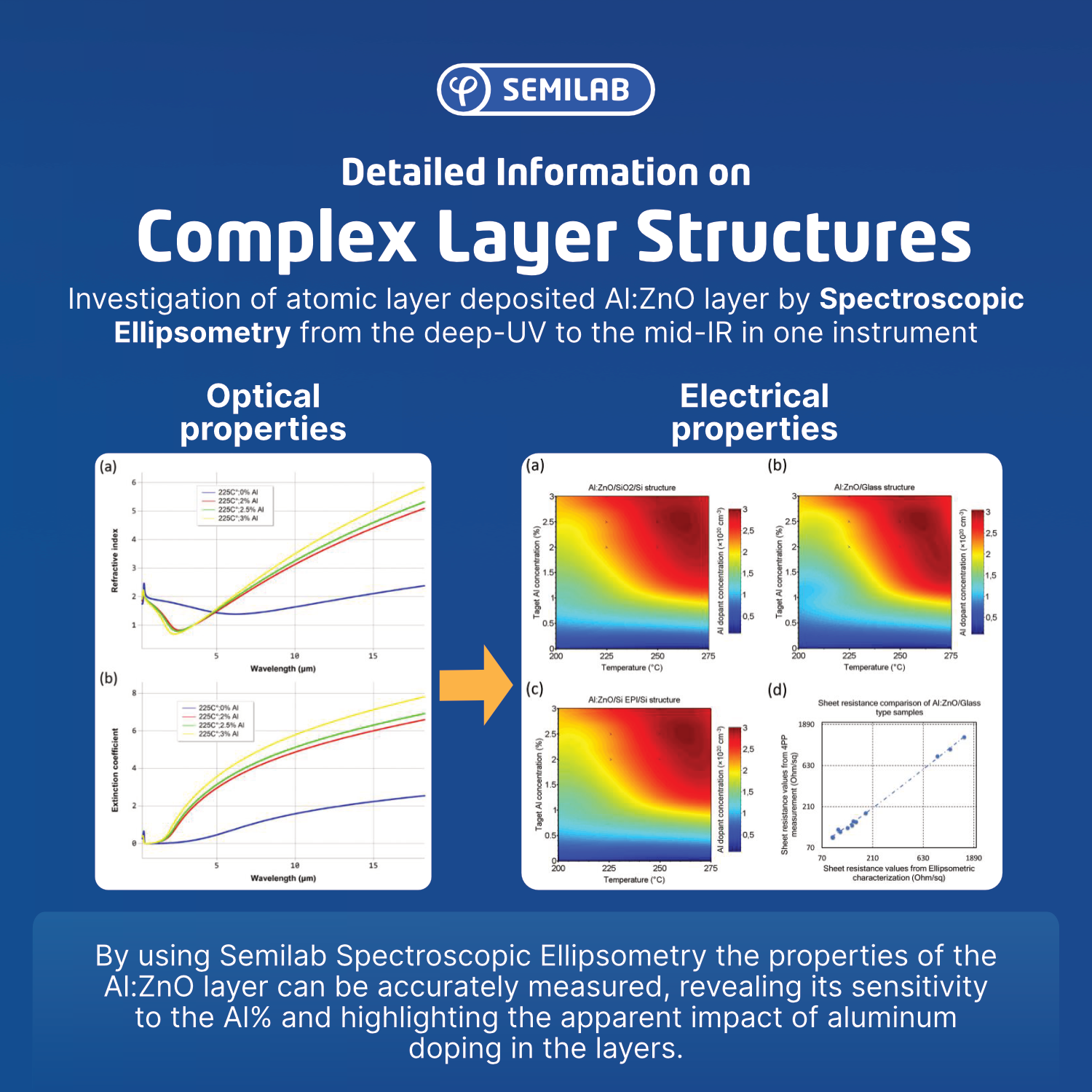
The SE-2000 measures across a broad wavelength range—from ultraviolet to mid-infrared—and uses the measured spectra with an optical model to determine layer thickness and optical properties. For AZO, the measurements can also reveal sensitivity to aluminum content, helping researchers see how film properties respond to changes in the process.
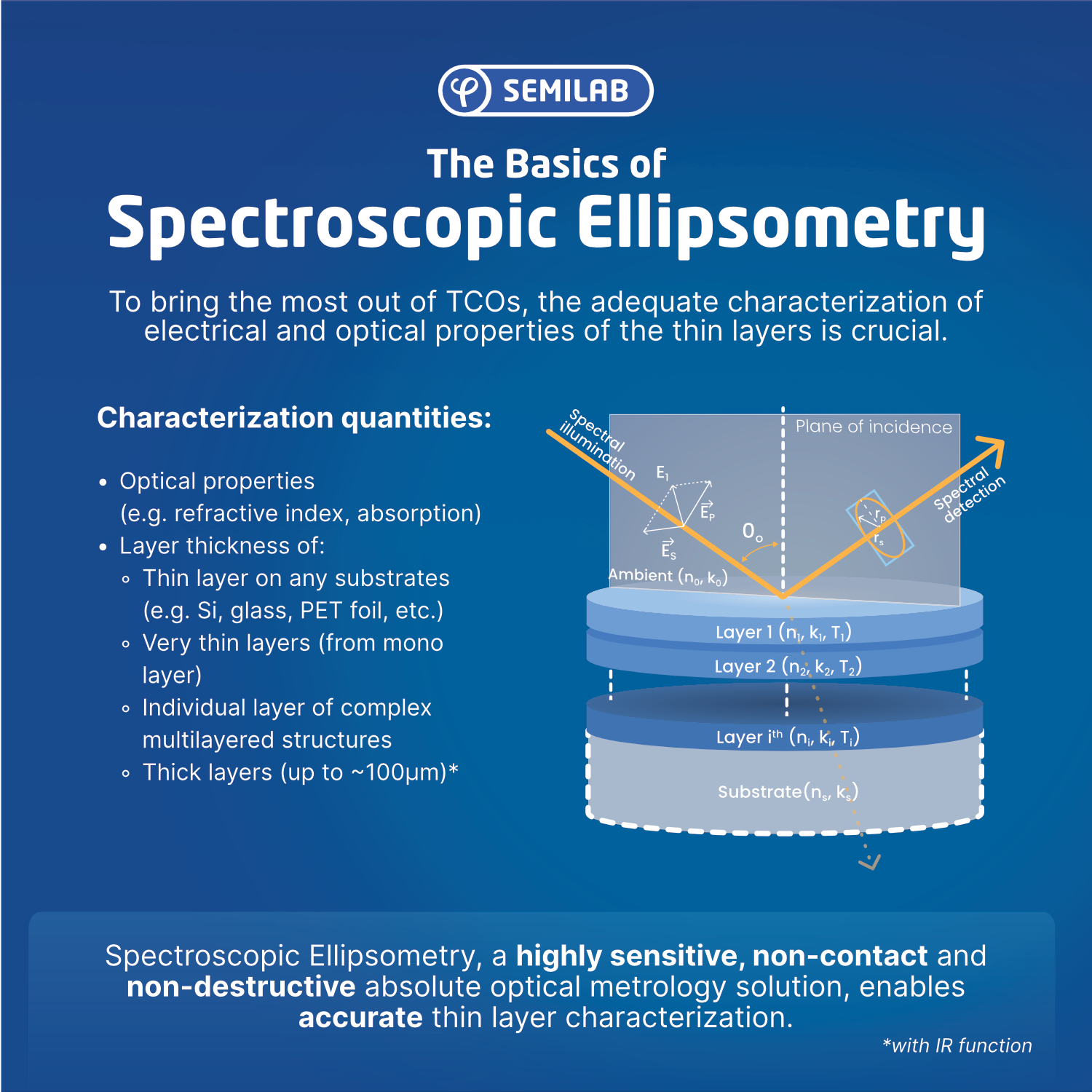
Real samples can contain several layers, each influencing the overall measurement. In the application note, ellipsometry distinguished the AZO film, silicon epitaxial layer and silicon substrate in a multilayer sample. A four-point probe, by comparison, measures the combined sheet resistance of the stack rather than separating the individual layers.
 Connect Measurements to Process Choices
For AZO films on glass, ellipsometry-derived results showed strong agreement with four-point-probe measurements, with a reported correlation coefficient of 0.9993. The study also mapped dopant concentration against deposition conditions; among the tested conditions, the highest concentration was observed at approximately 260°C and a target aluminum concentration of about 2.5%.